
How it works
This diverse expertise ensures that the project is built on a solid foundation aligned with its key objectives:
Through the project, collaborative efforts between partners from different regions will be strengthened through substantial cooperation in sports and the development of tools to reinforce women’s communities within grassroots sports clubs.
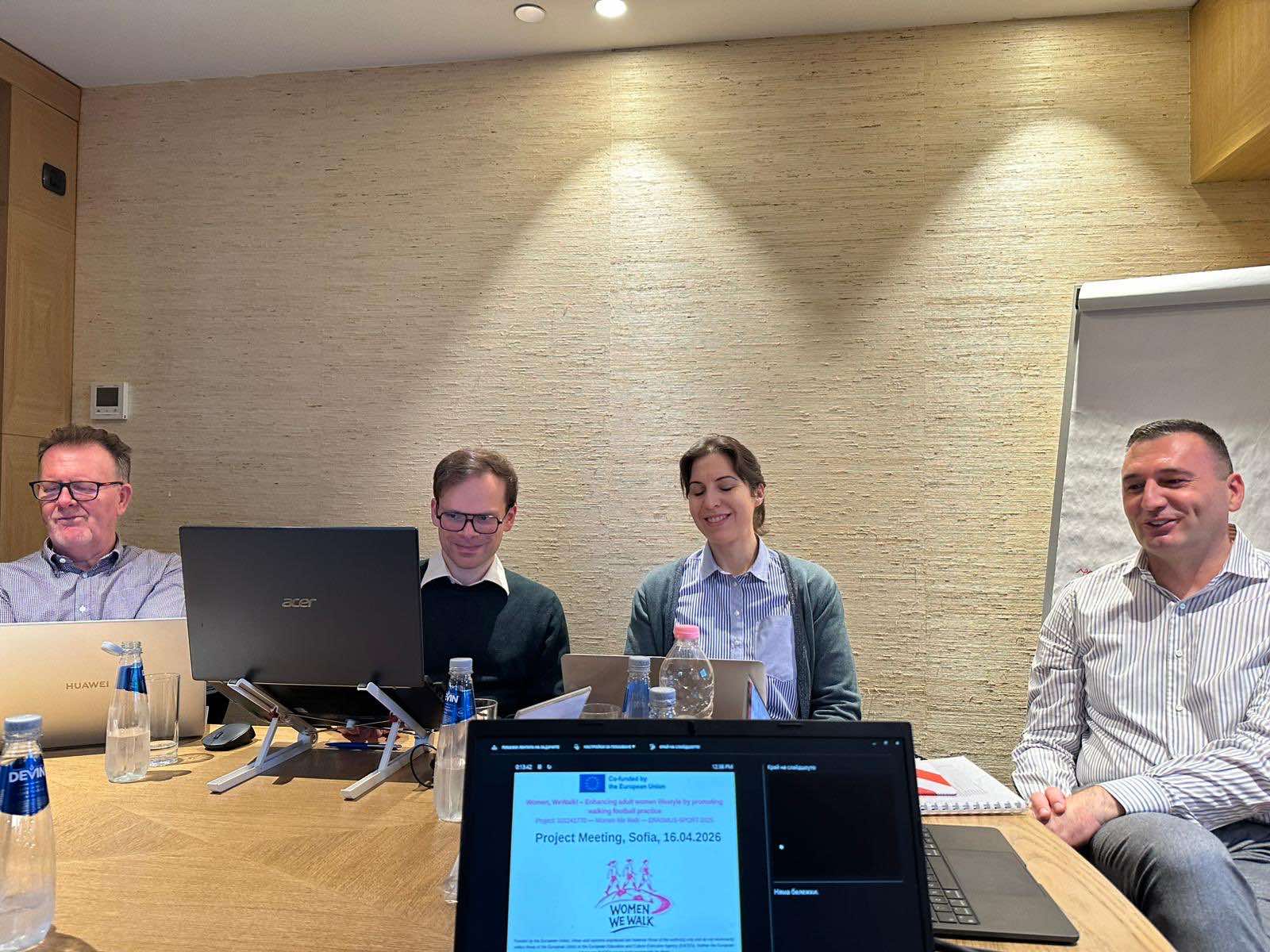
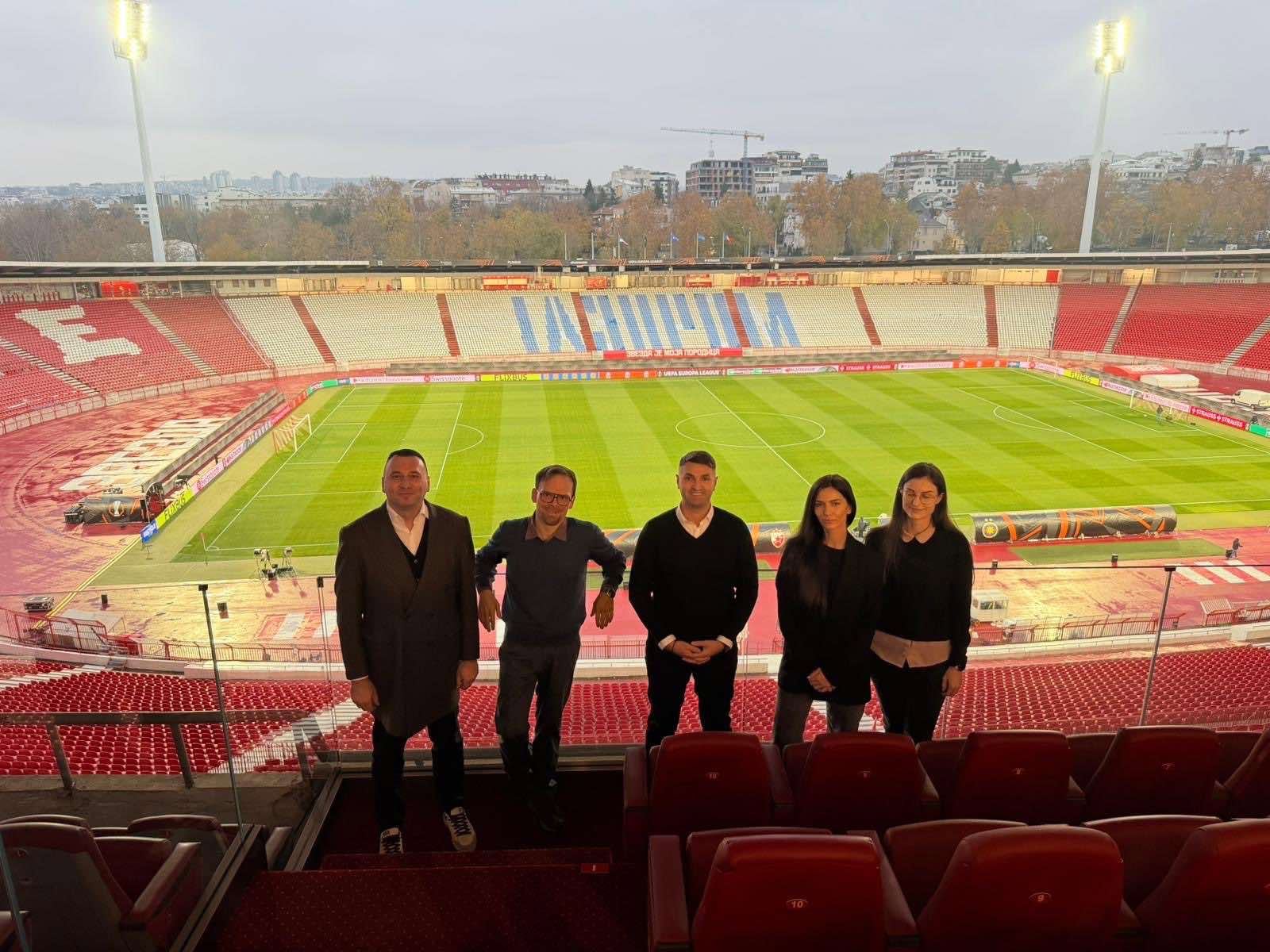
WWW! connects a consortium of partners specialising in sports, women’s engagement, and research, ensuring a high-quality mix of expertise. The partnership involves youth and sports organisations at the grassroots level—responsible for implementing concrete activities—alongside research institutions that guarantee quality research, assessment, project management, and strong follow-up engagement with the target audience.
Hurry up!
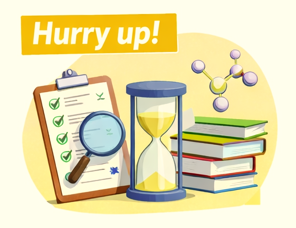
Researching adult women’s inactivity levels to understand cultural and gender equality issues in different regions by gathering literature reviews, interviews, and questionnaire responses.
Empower!
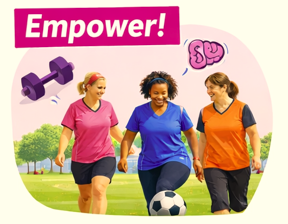
Co-creating a series of Walking Football Training (WFT) sessions to strengthen adult women’s mental and physical skills while establishing a standard methodology for communities.
Implement!
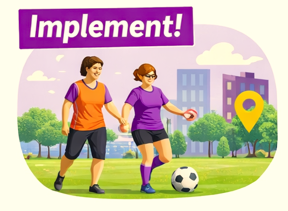
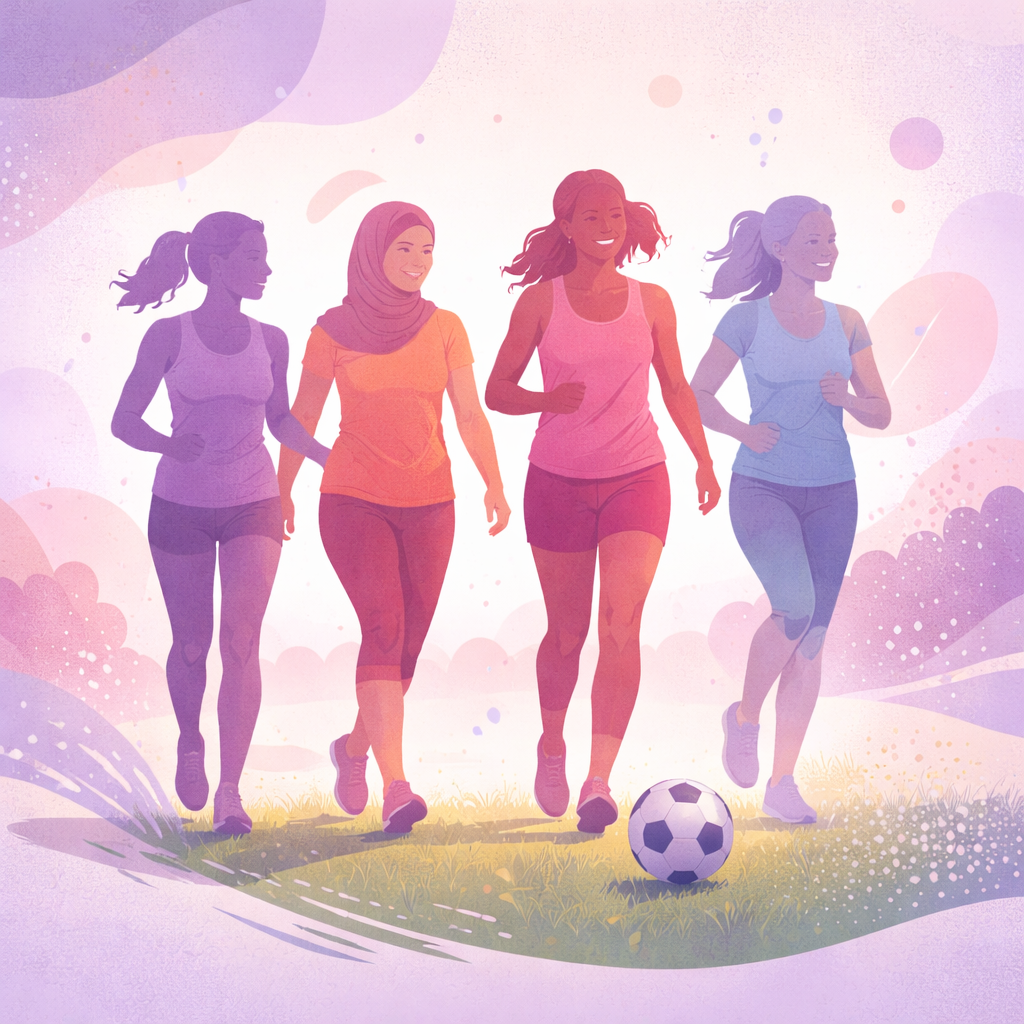
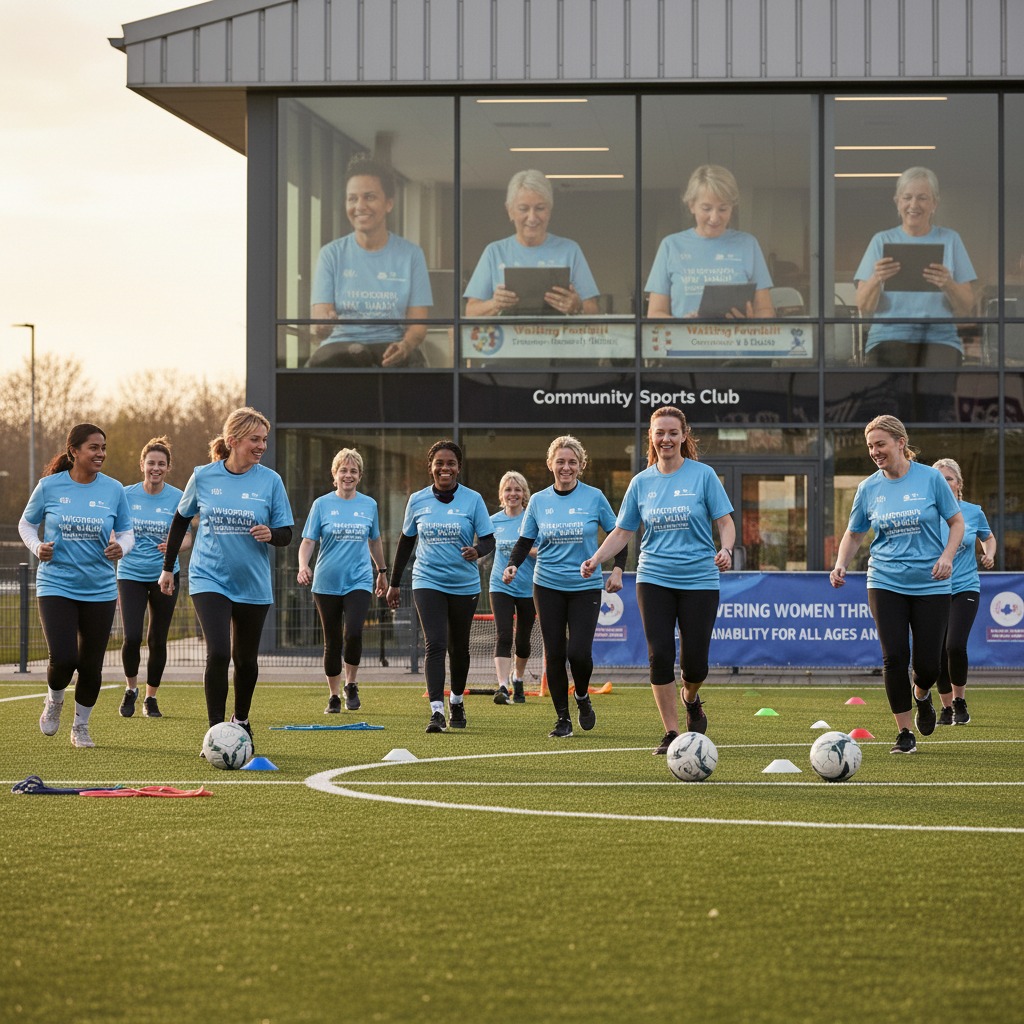
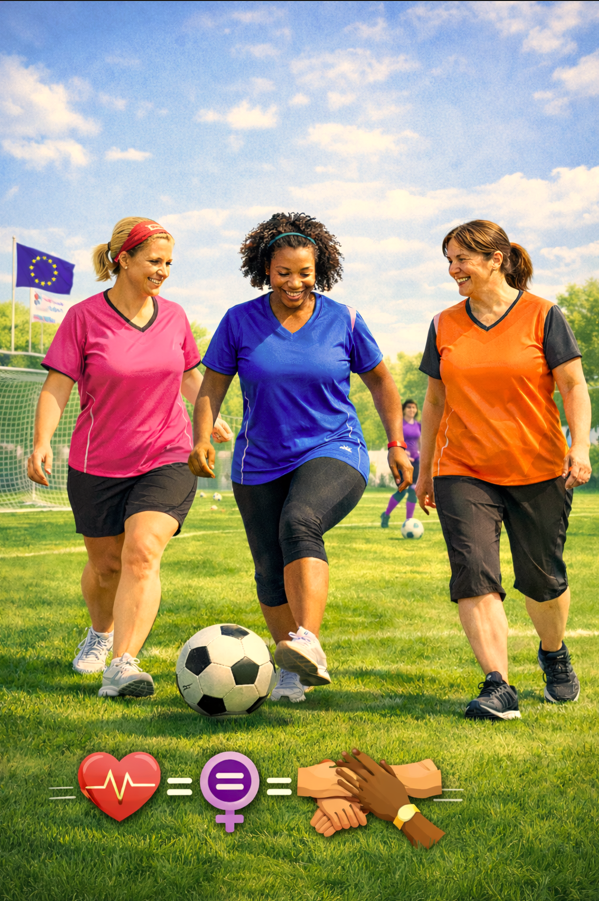
Organising Walking Football Bootcamps (WFB) in informal spaces such as public areas, gardens, and city neighbourhoods to encourage women to participate in sports, increase visibility for their physical activities as role models, and promote walking football.
Sharing!
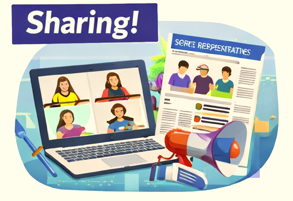
Expanding a network of sports organisations and providing them with a platform—both online (via the “Walking Football discussion forum” and the “Sports for Healthy Lifestyle and Inclusion” magazine) and offline (through WFB promotions)—to exchange ideas, showcase projects, and encourage active participation.
Learn and Grow
Latest News
The initiative will have a lasting impact on sports clubs, providing a unique opportunity for women to engage in sports. Thanks to the activities implemented, clubs will be able to continue using the Walking Football Training Resources, which are tailored to meet the specific needs and interests of women. Since these resources are open-access and flexible—adaptable based on experience level, age, and environmental factors—they will remain relevant and usable in the long term and across diverse contexts. Stay tuned